

- by saeed
Warning Signs Your Washing Machine Needs Repair
A washing machine doesn’t fail overnight—it gives clear signals before breaking down. Understanding these washing machine needs repair signs helps you act early, avoid costly damage, and keep your daily routine uninterrupted.
This guide is designed to answer what people actually search: how to know washing machine needs repair, what symptoms to watch, and when to take action.
1. Unusual Noise During Operation
If your washer suddenly becomes loud, it’s one of the most common warning signs washing machine repair is needed.
Look for:
-
- Banging during spin cycle
-
- Grinding or scraping sounds
-
- Sudden vibration noise
Possible causes:
-
- Worn drum bearings
-
- Loose internal parts
-
- Faulty drive belt
-
- Motor issues
2. Water Leakage Around the Machine
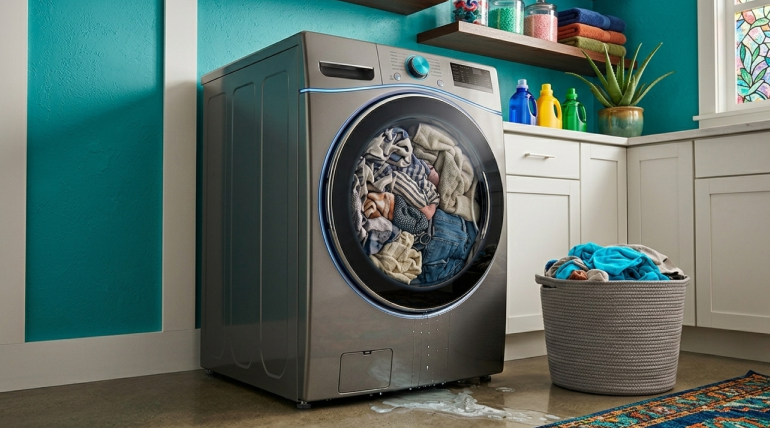
Water on the floor is not normal. It’s a direct washing machine fault indicator.
Common reasons:
-
- Damaged door seal (front-load washers)
-
- Loose or cracked hoses
-
- Faulty water pump
-
- Internal leakage
If you’re searching “why is my washing machine leaking water from bottom”, don’t delay—this issue can worsen quickly.
3. Spin & Drum Problems
One of the biggest washing machine problems symptoms is when clothes come out soaking wet.
Signs:
-
- Washing machine not spinning properly
-
- Washer drum not rotating
-
- Clothes too wet after wash
Likely causes:
-
- Broken drive belt
-
- Motor failure
-
- Control board issues
This is a clear sign your washing machine is failing and needs immediate attention.
4. Drainage Issues
If water remains in the drum after a cycle, your machine isn’t draining correctly.
Common issues:
-
- Clogged drain hose
-
- Blocked filter
-
- Drain pump malfunction
Search intent like “washer not draining complete fix guide” often points to these problems.
5. Burning Smell or Electrical Problems
A burning smell is one of the most serious signs of appliance failure washer owners should never ignore.
Possible reasons:
-
- Overheating motor
-
- Electrical faults
-
- Friction in moving components
If you notice this, stop using the machine immediately and consider emergency washing machine repair.
6. Longer Wash Cycles & Poor Performance
If your washer takes longer than usual, it’s a subtle but important early sign of washing machine damage.
Why it happens:
-
- Sensor malfunction
-
- Heating element issues
-
- Control board problems
This impacts both water and electricity usage.
Quick Washing Machine Troubleshooting Checklist
Use this washing machine repair checklist before calling a technician:
-
- Is the machine making loud or unusual noise?
-
- Is there water leakage?
-
- Are clothes still wet after washing?
-
- Is water not draining properly?
-
- Do you smell burning or overheating?
If yes to any, your washer likely needs repair.
When to Repair Your Washing Machine
You should repair your machine when:
-
- Multiple issues appear together
-
- The washer stops mid-cycle
-
- There are electrical or burning smells
-
- Performance drops significantly
Ignoring these signs answers the question:
“What happens if washing machine is not repaired?”
It can lead to complete breakdown and higher replacement costs.
Preventive Care & Maintenance Tips
To avoid frequent repairs and increase lifespan:
-
- Avoid overloading the machine
-
- Clean filters and drum regularly
-
- Use the correct detergent
-
- Keep the washer level
-
- Follow a yearly appliance maintenance routine
A simple washing machine care guide can prevent most common washing machine issues.
Final Thoughts
Recognizing early signs washing machine damage is the key to saving money and avoiding inconvenience. From noise and leakage to spin and drainage problems—every symptom is a warning.
If you notice these washer not working properly signs, act early. Repairing a small issue today can prevent a major breakdown tomorrow.
Frequently Asked Questions (FAQs)
Several early warning signs may indicate that a washing machine is developing mechanical or electrical faults. Common indicators include excessive vibration, loud grinding or banging noises, water leakage, incomplete spin cycles, slow drainage, unpleasant odours, and recurring error codes. Addressing these symptoms promptly through professional inspection can prevent further component damage, reduce repair costs, and extend the appliance’s operational lifespan. A defective washing machine motor often presents symptoms such as a drum that fails to rotate, abnormal humming or grinding noises, intermittent operation, a burning odour, or repeated interruption of the wash cycle. These symptoms may also be associated with worn motor brushes, damaged drive belts, or electrical control faults. A professional diagnostic assessment is recommended to accurately identify the underlying cause and determine the appropriate repair. For most residential households, professional washing machine servicing is recommended at least once every year. Properties with frequent laundry usage may benefit from more regular maintenance. Routine servicing typically includes inspecting the drum, motor, drive belt, drainage system, inlet filters, electrical connections, and water hoses. Preventive maintenance improves washing efficiency, reduces the likelihood of unexpected breakdowns, and helps maximise the appliance’s operational lifespan. Homeowners can safely perform basic maintenance tasks such as cleaning the lint filter, removing debris from the drain pump filter, checking water inlet hoses, and ensuring the appliance remains level. However, repairs involving the motor, electronic control board, bearings, drum assembly, or electrical components should only be undertaken by qualified technicians. Attempting complex repairs without appropriate expertise may compromise safety and result in additional damage. Repair is generally the most cost-effective option when the appliance is relatively new, the fault is confined to replaceable components, and the repair cost represents only a modest proportion of the replacement value. Conversely, replacement may be the more prudent investment if the washing machine has exceeded approximately 8 to 10 years of service, requires repeated repairs, exhibits declining performance, or has sustained major component failures. A professional inspection can provide an evidence-based recommendation by evaluating the appliance’s condition, repair costs, and anticipated remaining service life. What are the warning signs that indicate a washing machine may fail soon?
How can I determine whether my washing machine motor is faulty?
How often should a washing machine be professionally serviced?
Can I repair washing machine problems without professional assistance?
When is it more economical to repair rather than replace a washing machine?